Sports Rehabilitation in Jefferson, OH to Get You Back in the Game Safely
An injury can pull you off the field, court, track, or trail at the worst possible time. Whether you are a high school athlete, a weekend runner, or a lifelong competitor, the goal is the same: recover fully and return without getting hurt again. Sports rehabilitation in Jefferson, OH at Jefferson Rehabilitation And Wellness is built around that goal. Our sports physical therapy approach restores strength, mobility, and control, then progressively prepares your body for the specific demands of your sport so your return is based on readiness rather than guesswork.
Schedule Your Sports Rehabilitation Evaluation in Jefferson, OH Today
What Sports Rehabilitation Involves
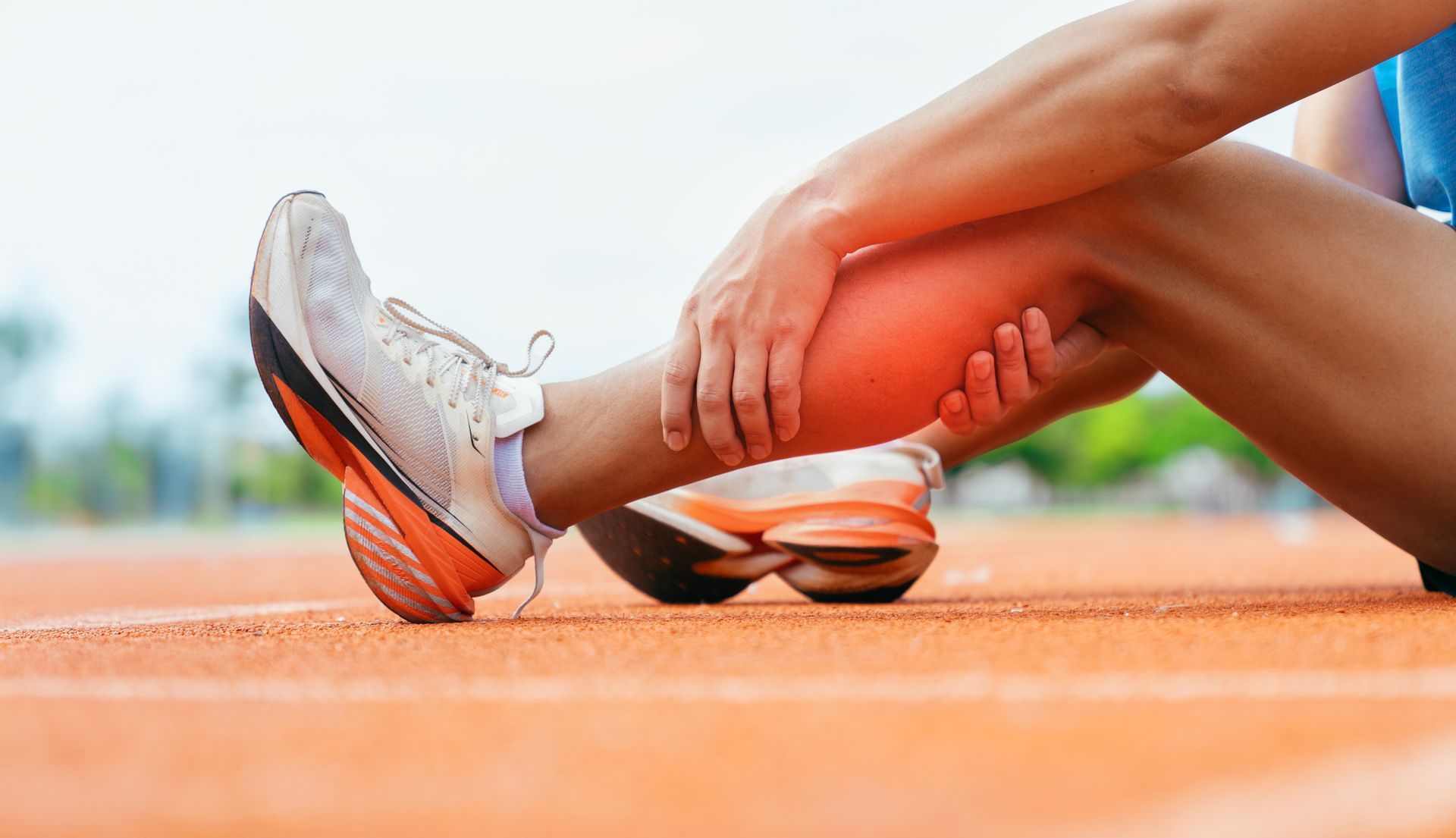
Sports rehabilitation is a specialized area of physical therapy focused on recovering from athletic injuries and returning to sport-level performance. It goes beyond reducing pain and restoring basic function, because athletes need speed, power, agility, and endurance that everyday activities do not require.
Treating the Injury and the Cause
Effective athletic rehabilitation addresses both the injured tissue and the factors that may have contributed to the injury, such as strength imbalances, limited mobility, poor landing mechanics, or training errors.
Sport-Specific Goals
A pitcher, a soccer player, and a distance runner place very different demands on their bodies. Your sports rehabilitation plan is shaped around the movements, positions, and loads your sport requires.
Progressive, Criteria-Based Recovery
Rather than relying on time alone, sports rehabilitation advances through phases based on measurable milestones in pain, range of motion, strength, and movement quality.
Injuries Sports Rehabilitation Treats
Sports injury physical therapy addresses both sudden injuries and those that develop gradually from repetitive stress.
Ankle Sprains
Ankle sprains are among the most common sports injuries. Rehabilitation restores motion, strength, and balance to reduce the risk of repeat sprains and chronic ankle instability.
Knee Injuries and ACL Rehabilitation
ACL tears, meniscus injuries, patellar tendon pain, and other knee injuries require careful, structured rehabilitation, whether you are recovering after surgery or managing the injury conservatively.
Shoulder and Elbow Injuries
Rotator cuff strains, shoulder instability, labral injuries, and throwing-related elbow pain are common in overhead athletes. Sports rehabilitation focuses on shoulder stability, scapular control, and throwing mechanics.
Muscle Strains
Hamstring, groin, quadriceps, and calf strains often recur if rehabilitation is incomplete. Progressive strengthening and sprint preparation help reduce reinjury risk.
Overuse Injuries
Tendinopathies, shin splints, stress-related bone pain, IT band irritation, and runner's knee often stem from training load and movement patterns. Rehabilitation adjusts load while correcting contributing factors.
Low Back and Hip Injuries
Athletes in rotational and impact sports frequently develop back and hip pain. Core stability, hip strength, and mobility work support recovery and performance.
Call Jefferson Rehabilitation And Wellness to Start Sports Rehabilitation in Jefferson, OH
The Phases of Sports Rehabilitation
Sports rehabilitation generally progresses through overlapping phases. The pace through each phase depends on your injury, your body's response, and objective testing.
Protecting and Calming the Injury
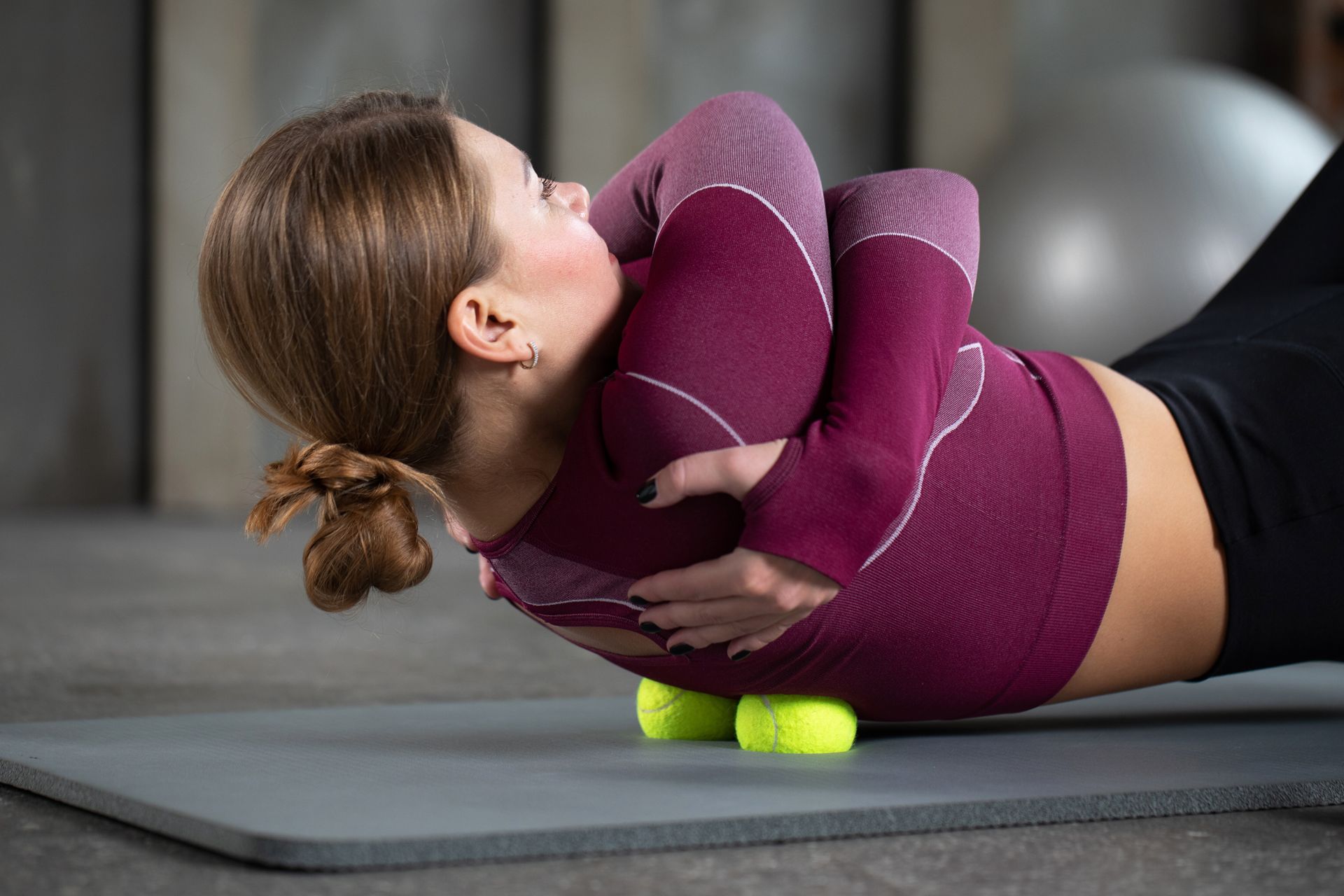
Early care focuses on managing pain and swelling, protecting healing tissue, and maintaining as much mobility and fitness as safely possible. Manual therapy and gentle therapeutic exercise are common in this phase.
Restoring Mobility and Strength
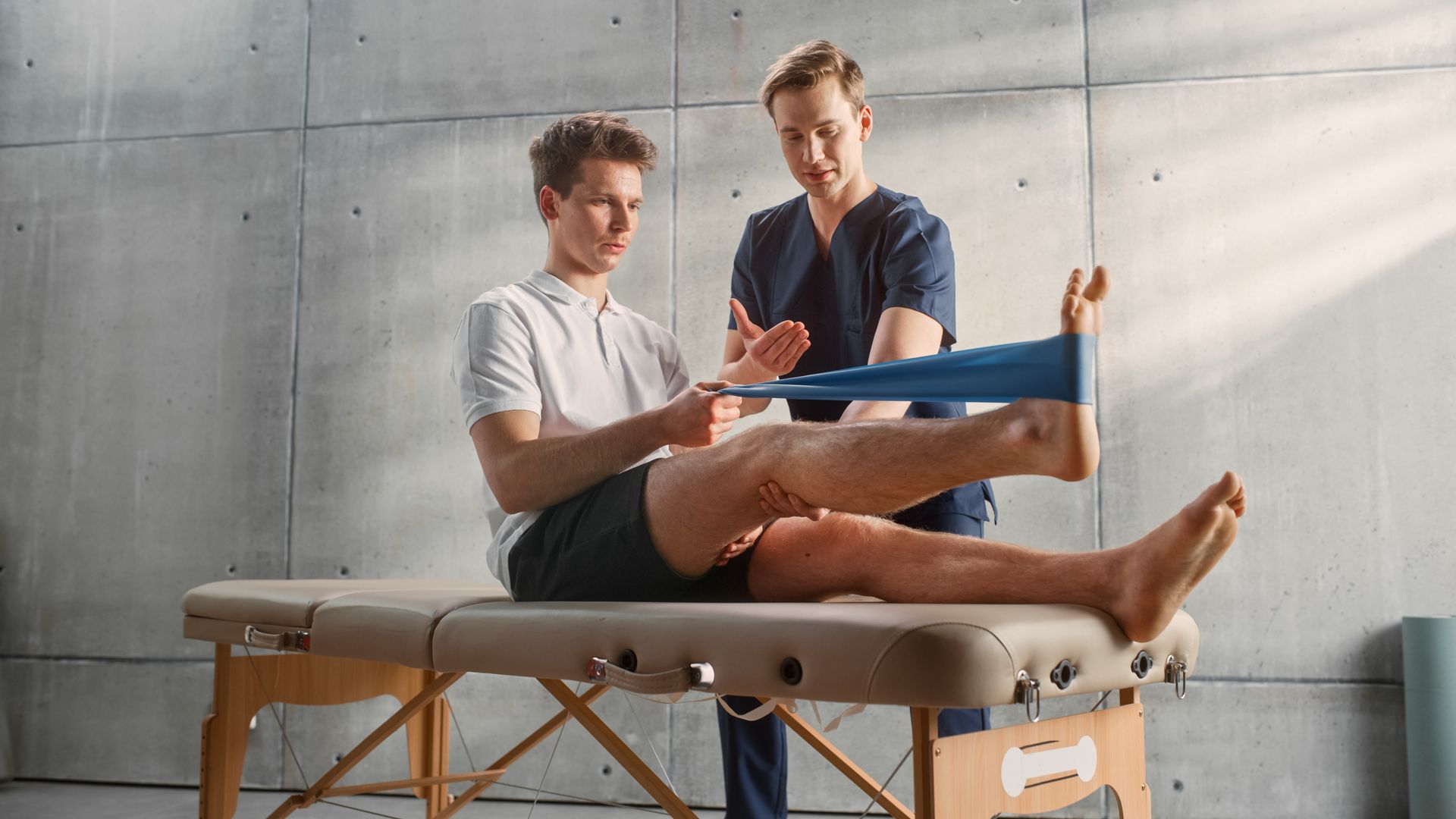
As healing progresses, treatment shifts toward restoring full range of motion and rebuilding strength in the injured area and the surrounding muscle groups.
Developing Power, Agility, and Control
Athletes progress to plyometrics, change-of-direction drills, landing mechanics, balance challenges, and sport-specific conditioning that reflect the demands of competition.
Return-to-Sport Testing
Before returning to full participation, objective tests compare strength, hop performance, agility, and movement quality between sides and against sport demands. These results guide the decision to return, along with input from your physician when appropriate.
Returning to Sport and Preventing Future Injuries
Returning too early is one of the most common causes of reinjury. Sports rehabilitation aims to make your return safe and sustainable.
Gradual Return to Play
Return to sport typically begins with modified practice, then progresses to full practice and competition. Workload is increased gradually to allow your body to adapt.
Injury Prevention Training
Sports physical therapy can reduce injury risk by improving strength, flexibility, neuromuscular control, and landing and cutting mechanics. Prevention programs are especially valuable for athletes in sports with high rates of knee and ankle injuries.
Load Management and Education
Understanding how training volume, rest, and recovery affect injury risk helps athletes, parents, and coaches make better decisions throughout the season.
Book Your Sports Rehabilitation Appointment in Jefferson, OH With Jefferson Rehabilitation And Wellness
Frequently Asked Questions About Sports Rehabilitation in Jefferson, OH
What injuries can sports rehabilitation treat?
Sports rehabilitation treats ankle sprains, ACL and meniscus injuries, rotator cuff and shoulder injuries, throwing-related elbow pain, muscle strains, tendinopathies, shin splints, runner's knee, and low back and hip injuries, along with post-surgical recovery for athletes.
How long does sports rehab take?
Sports rehab can take a few weeks for mild sprains and strains, several months for significant muscle or tendon injuries, and nine months or longer after ACL reconstruction. The timeline depends on the injury, its severity, and how your body responds to rehabilitation.
When can I return to sports after an injury?
You can generally return to sports when pain is controlled, range of motion and strength are restored, and you pass objective return-to-sport tests for strength, agility, and movement quality. Time since injury is only one factor, and your physical therapist and physician help guide the decision.
Can physical therapy prevent sports injuries?
Physical therapy can help reduce the risk of sports injuries by improving strength, flexibility, balance, and movement mechanics, and by guiding training load. While no program eliminates all risk, structured injury prevention training has been shown to lower injury rates in many sports.
What is the difference between sports rehabilitation and regular physical therapy?
Sports rehabilitation is a specialized form of physical therapy that extends beyond restoring daily function to preparing the body for the speed, power, and agility demands of athletic competition, including sport-specific drills and return-to-sport testing.
Do I need surgery for a sports injury?
Many sports injuries recover with rehabilitation alone, while others, such as some complete ligament tears, may require surgery depending on your activity goals. Your physician and physical therapist can help you understand your options.
Can I keep training while recovering from an injury?
In many cases, yes. Sports rehabilitation often includes modified training that maintains fitness while protecting the injured area, so you lose less conditioning during recovery.
What is return-to-sport testing?
Return-to-sport testing uses objective measures such as strength comparisons, hop tests, agility drills, and movement assessments to determine whether an athlete is physically ready to safely resume full participation.
Is sports rehabilitation only for competitive athletes?
No. Sports rehabilitation benefits anyone who is active, including recreational runners, weekend athletes, golfers, hunters, gym-goers, and older adults who want to stay active.
Should I see a physical therapist right after a sports injury?
Starting physical therapy early often helps manage pain and swelling and prevents unnecessary loss of strength and mobility. Seek medical care first for suspected fractures, dislocations, severe swelling, or inability to bear weight.
Do I need a referral for sports physical therapy in Ohio?
Ohio allows direct access to physical therapy, so you can generally see a physical therapist without a referral. Some insurance plans may require one for coverage, so it is best to confirm with your insurer.
Is sports rehabilitation covered by insurance?
Sports rehabilitation is typically billed as physical therapy and is covered by many insurance plans when medically necessary. Coverage varies, so our team can help verify your benefits before you begin.