MLS Laser Therapy in Jefferson, OH for Pain and Inflammation Support
Persistent pain and inflammation can slow your recovery and make it harder to participate in the exercises that help you heal. MLS laser therapy in Jefferson, OH at Jefferson Rehabilitation And Wellness is a non-invasive, drug-free treatment option that uses specific wavelengths of light to support the body's natural healing processes. Used alongside physical therapy, MLS laser therapy may help reduce pain, inflammation, and swelling so you can move more comfortably and progress through your rehabilitation plan. Every patient responds differently, and our team will help you understand whether this technology is a good fit for your condition.
Schedule Your MLS Laser Therapy Consultation in Jefferson, OH Today
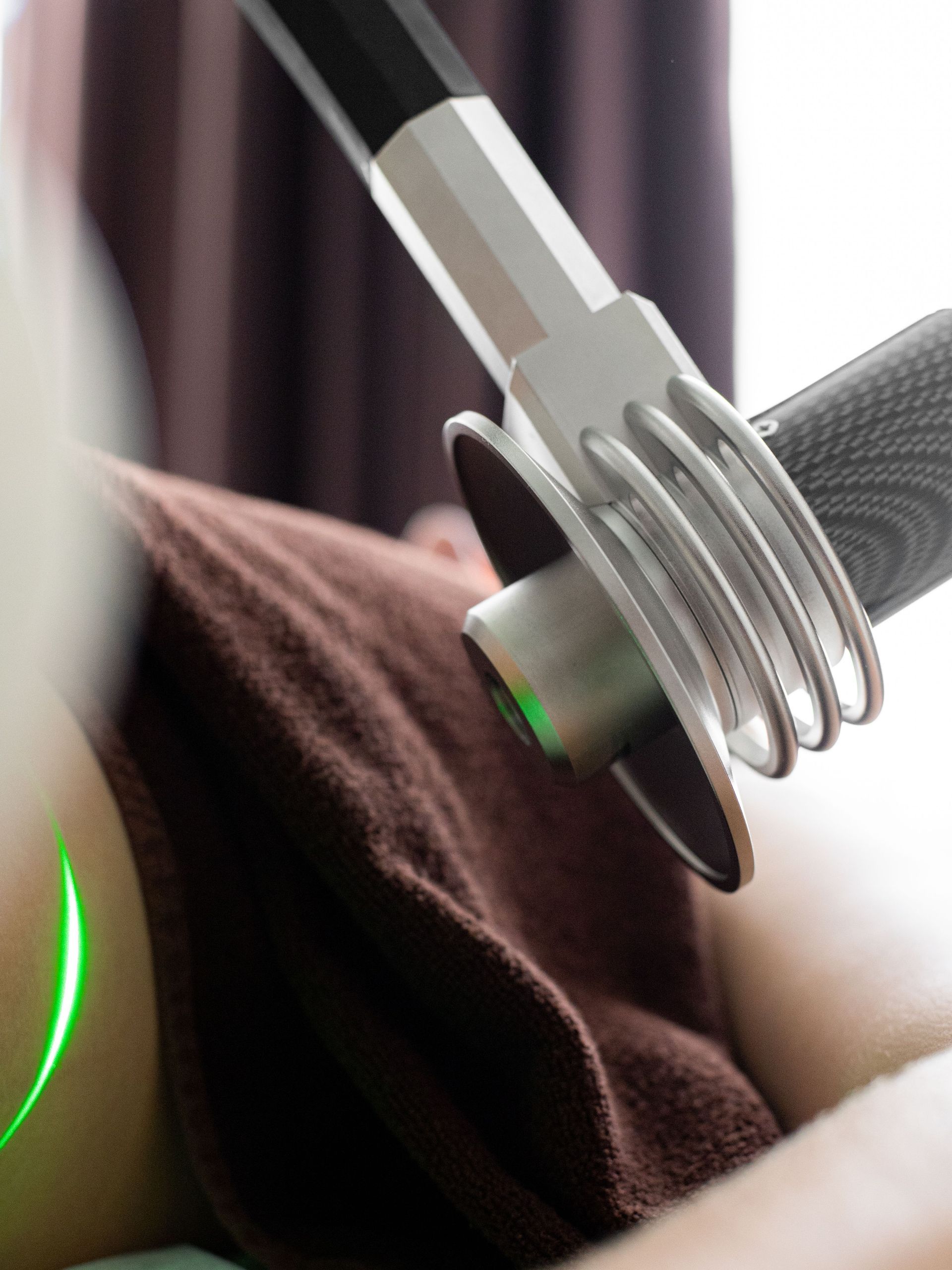
What MLS Laser Therapy Is
MLS stands for Multiwave Locked System. MLS laser therapy is a form of therapeutic laser treatment, sometimes called photobiomodulation, that delivers light energy into tissue to influence cellular activity. Unlike surgical lasers, a therapeutic laser does not cut or burn tissue. Instead, it aims to stimulate biological responses associated with healing and pain modulation.
Two Synchronized Wavelengths
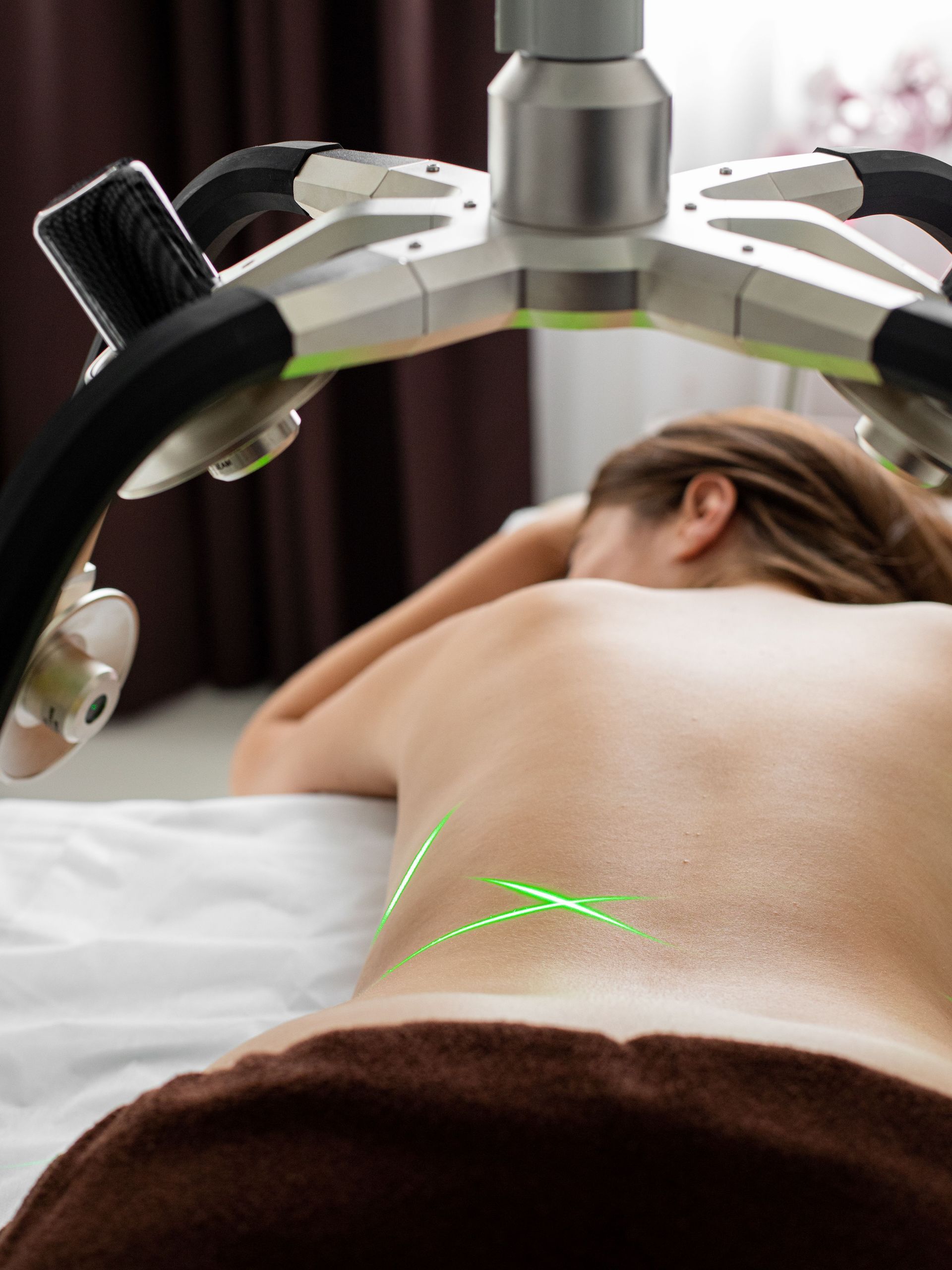
What distinguishes MLS laser therapy from many other laser systems is its use of two wavelengths delivered at the same time. An 808 nm wavelength, emitted in continuous or pulsed mode, is primarily associated with anti-inflammatory and anti-edema effects. A 905 nm pulsed wavelength is primarily associated with pain-relieving effects. The MLS system synchronizes these two emissions so they work together within the same treatment area.
FDA-Cleared Technology
MLS laser devices are FDA-cleared for the temporary relief of minor muscle and joint pain, arthritis pain, and muscle spasm, as well as for temporarily increasing local blood circulation and promoting muscle relaxation. This clearance describes what the device is intended to do; it is not a guarantee of results for any individual patient.
A Complement to Active Rehabilitation
At our clinic, MLS laser therapy is used as part of a broader treatment plan rather than as a stand-alone cure. Pairing laser therapy with therapeutic exercise and manual therapy addresses both symptoms and the movement problems that contribute to them.
How MLS Laser Therapy Works
When light energy from a therapeutic laser penetrates the skin, it is absorbed by components within cells, particularly the mitochondria responsible for energy production. Research on photobiomodulation suggests this absorption can influence cellular metabolism, circulation, and the signaling processes involved in inflammation and pain.
Supporting the Inflammatory Response
Inflammation is a normal part of healing, but excessive or prolonged inflammation can increase pain and delay recovery. The 808 nm wavelength is used with the goal of helping the body regulate inflammation more efficiently.
Reducing Edema
Swelling, or edema, can limit joint motion and increase discomfort. MLS laser therapy is intended to support local circulation and lymphatic drainage, which may help reduce fluid buildup in injured tissue.
Modulating Pain Signals
The 905 nm pulsed wavelength is used with the goal of reducing pain sensitivity by influencing how nerves transmit pain signals, which may make movement and exercise more tolerable.
Encouraging Tissue Repair
By supporting cellular energy production and circulation, therapeutic laser treatment is used to create conditions that favor tissue repair after injury or overuse.
Call Jefferson Rehabilitation And Wellness to Learn More About MLS Laser Therapy in Jefferson, OH
Conditions MLS Laser Therapy May Help
MLS laser therapy is commonly used for musculoskeletal conditions involving pain, inflammation, and swelling. Your physical therapist will evaluate your condition before recommending laser treatment.
Sports Injuries
Sprains, strains, tendonitis, and muscle injuries are frequent reasons patients explore laser treatment for sports injuries, especially when swelling and pain are limiting their return to activity.
Arthritis and Joint Pain
Osteoarthritis in the knees, hips, hands, and spine can cause ongoing pain and stiffness. MLS laser therapy may offer temporary relief that helps patients stay active with their exercise program.
Back and Neck Pain
Muscle spasm and inflammation contributing to back and neck pain are often addressed with laser therapy alongside manual therapy and strengthening.
Tendon and Soft Tissue Conditions
Conditions such as plantar fasciitis, tennis elbow, and rotator cuff tendinopathy involve irritated soft tissue that may benefit from laser therapy for inflammation.
Post-Surgical Recovery
When appropriate and approved by your surgeon, laser therapy may be used to help manage post-operative pain and swelling during rehabilitation.
What to Expect During an MLS Laser Therapy Session
Before treatment, your physical therapist reviews your health history and screens for any reasons laser therapy may not be appropriate, such as pregnancy in the treatment area, active cancer at the site, or treatment near the eyes or thyroid.
A Comfortable, Non-Invasive Treatment
During MLS laser therapy, the laser head is positioned over or moved across the treatment area. Most patients feel little to nothing, or a mild sense of warmth. Protective eyewear is worn throughout the session.
Short Treatment Times
Most MLS laser therapy sessions take roughly 5 to 15 minutes, depending on the size and depth of the area being treated, and require no recovery time afterward.
Realistic Expectations
Some patients notice changes after a few sessions, while others notice gradual improvement or limited change. Results vary based on the condition, its duration, and individual response, which is why we track your progress and adjust your plan accordingly.
Book Your MLS Laser Therapy Appointment in Jefferson, OH With Jefferson Rehabilitation And Wellness
Frequently Asked Questions About MLS Laser Therapy in Jefferson, OH
What is MLS laser therapy?
MLS laser therapy is a non-invasive therapeutic laser treatment that uses a Multiwave Locked System to deliver two synchronized wavelengths, 808 nm and 905 nm, into tissue. It is used to help relieve pain, reduce inflammation, and decrease swelling as part of a rehabilitation plan.
What does MLS laser therapy treat?
MLS laser therapy is commonly used for musculoskeletal pain, arthritis, muscle spasm, sprains and strains, tendonitis, plantar fasciitis, tennis elbow, back and neck pain, and post-surgical pain and swelling. Your physical therapist will determine whether it is appropriate for your condition.
Does laser therapy help with pain?
Laser therapy may help reduce pain for many patients by influencing nerve signaling, inflammation, and circulation. MLS lasers are FDA-cleared for the temporary relief of minor muscle and joint pain, though individual results vary and outcomes are not guaranteed.
How does MLS laser therapy work?
MLS laser therapy delivers light energy that is absorbed by cells, particularly the mitochondria. This is believed to influence cellular metabolism, circulation, and inflammatory and pain pathways. The 808 nm wavelength targets inflammation and edema, while the 905 nm wavelength targets pain.
What is the difference between MLS laser therapy and cold laser therapy?
Cold laser therapy generally refers to low-level lasers that use a single wavelength at lower power. MLS laser therapy combines and synchronizes two wavelengths to address pain and inflammation at the same time, which distinguishes it from many traditional cold laser therapy devices.
Does MLS laser therapy hurt?
MLS laser therapy is typically painless. Most patients feel nothing or only a mild, comfortable warmth during treatment, and there is no downtime afterward.
How many MLS laser therapy sessions will I need?
The number of sessions varies by condition. Acute injuries may require fewer treatments, while chronic conditions may need a longer series. Your physical therapist will recommend a treatment schedule after your evaluation and adjust it based on your response.
How long does an MLS laser therapy session take?
Most MLS laser therapy sessions last between 5 and 15 minutes, depending on the size and depth of the treatment area.
Is MLS laser therapy safe?
MLS laser therapy is considered safe when performed by trained clinicians using protective eyewear and proper screening. It is generally avoided over the eyes, the thyroid, a pregnant abdomen, and areas with active cancer.
Can MLS laser therapy be combined with physical therapy?
Yes, MLS laser therapy is often most useful when combined with physical therapy. Reducing pain and swelling can make therapeutic exercise and manual therapy more comfortable, supporting better overall progress.
Is laser therapy good for sports injuries?
Laser treatment for sports injuries is commonly used to help manage pain and swelling from sprains, strains, and tendon irritation. It works best alongside a progressive rehabilitation program that restores strength and movement.
Is MLS laser therapy covered by insurance?
Many insurance plans do not cover laser therapy, and coverage varies by plan. Our team can explain your options and any out-of-pocket costs before you begin treatment.