Manual Therapy in Jefferson, OH for Hands-On Pain Relief and Better Mobility
When a joint feels locked, a muscle stays tight no matter how much you stretch, or pain keeps you from moving the way you want, exercise alone may not be enough to break the cycle. Manual therapy in Jefferson, OH at Jefferson Rehabilitation And Wellness uses skilled, hands-on techniques to restore joint motion, release restricted soft tissue, and calm pain so your body is ready to move and strengthen again. Our manual physical therapy approach pairs precise hands-on therapy with targeted exercise, giving you faster relief and longer-lasting results than either method on its own.
Schedule Your Manual Therapy Evaluation in Jefferson, OH Today
What Manual Therapy Is and How It Works
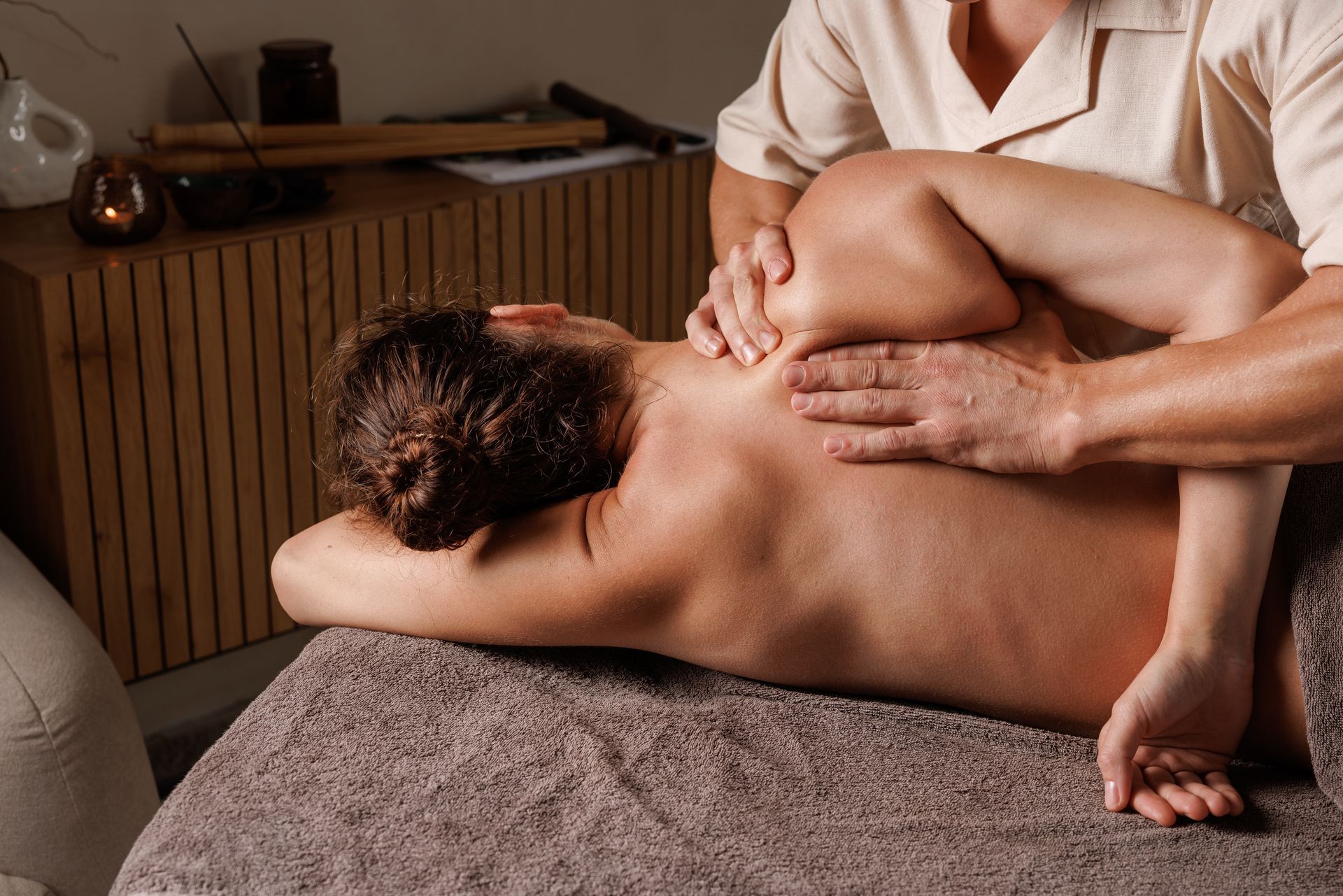
Manual therapy is a specialized form of physical therapy in which a trained clinician uses their hands to assess and treat joints, muscles, fascia, and nerves. Rather than relying on machines, manual therapy relies on skilled touch to identify where movement is restricted and to apply controlled forces that improve how tissues glide, stretch, and function.
Restoring Joint Motion
Joints are meant to roll and glide smoothly. After injury, surgery, or prolonged stiffness, that motion can become limited. Manual therapy applies graded pressure and movement to stiff joints, improving range of motion and reducing the protective muscle guarding that often accompanies pain.
Releasing Soft Tissue Restrictions
Muscles and connective tissue can develop tension, adhesions, and sensitive trigger points. Manual therapy addresses these restrictions directly, improving tissue flexibility and blood flow while easing discomfort.
Calming the Nervous System
Hands-on therapy also influences how your nervous system processes pain. Gentle, skilled input can reduce pain sensitivity, which makes it easier to move, exercise, and participate fully in rehabilitation.
Preparing the Body for Exercise
Manual therapy creates a window of improved mobility. Your physical therapist uses that window to follow treatment with therapeutic exercise, reinforcing the new range of motion so gains are retained between visits.
Manual Therapy Techniques We Use in Jefferson, OH
Every manual therapy session is tailored to your condition, tolerance, and goals. Your physical therapist selects techniques based on what your evaluation reveals rather than applying a one-size-fits-all routine.
Joint Mobilization (JMs)
Joint mobilization involves slow, rhythmic movements applied to a specific joint at varying grades of intensity. Lower grades help reduce pain, while higher grades target stiffness and restore lost motion. Joint mobilization is commonly used for the spine, shoulders, hips, knees, ankles, and wrists.
Mobilization With Movement
Mobilization with movement combines a sustained joint glide from your physical therapist with an active movement you perform at the same time. This manual therapy technique is especially effective when a specific motion, such as reaching overhead or bending forward, reproduces your pain.
Muscle Energy Techniques
Muscle energy techniques use your own gentle muscle contractions against light resistance from your therapist. These contractions help relax tight muscles, improve joint alignment, and increase range of motion without forceful stretching.
Trigger Point Release (TPRs)
Trigger points are hypersensitive knots within a muscle that can cause local tenderness and referred pain. Trigger point release applies sustained pressure to these areas to reduce tension and sensitivity.
Soft Tissue Techniques
Soft tissue mobilization, myofascial release, and instrument-assisted techniques target muscles, tendons, and fascia. These soft tissue techniques reduce adhesions, improve tissue extensibility, and support healing after injury or surgery.
Call Jefferson Rehabilitation And Wellness to Start Manual Therapy in Jefferson, OH
Conditions Manual Therapy Treats
Manual therapy is effective for a wide range of musculoskeletal conditions, particularly those involving stiffness, restricted movement, and muscle tension.
Back and Neck Pain
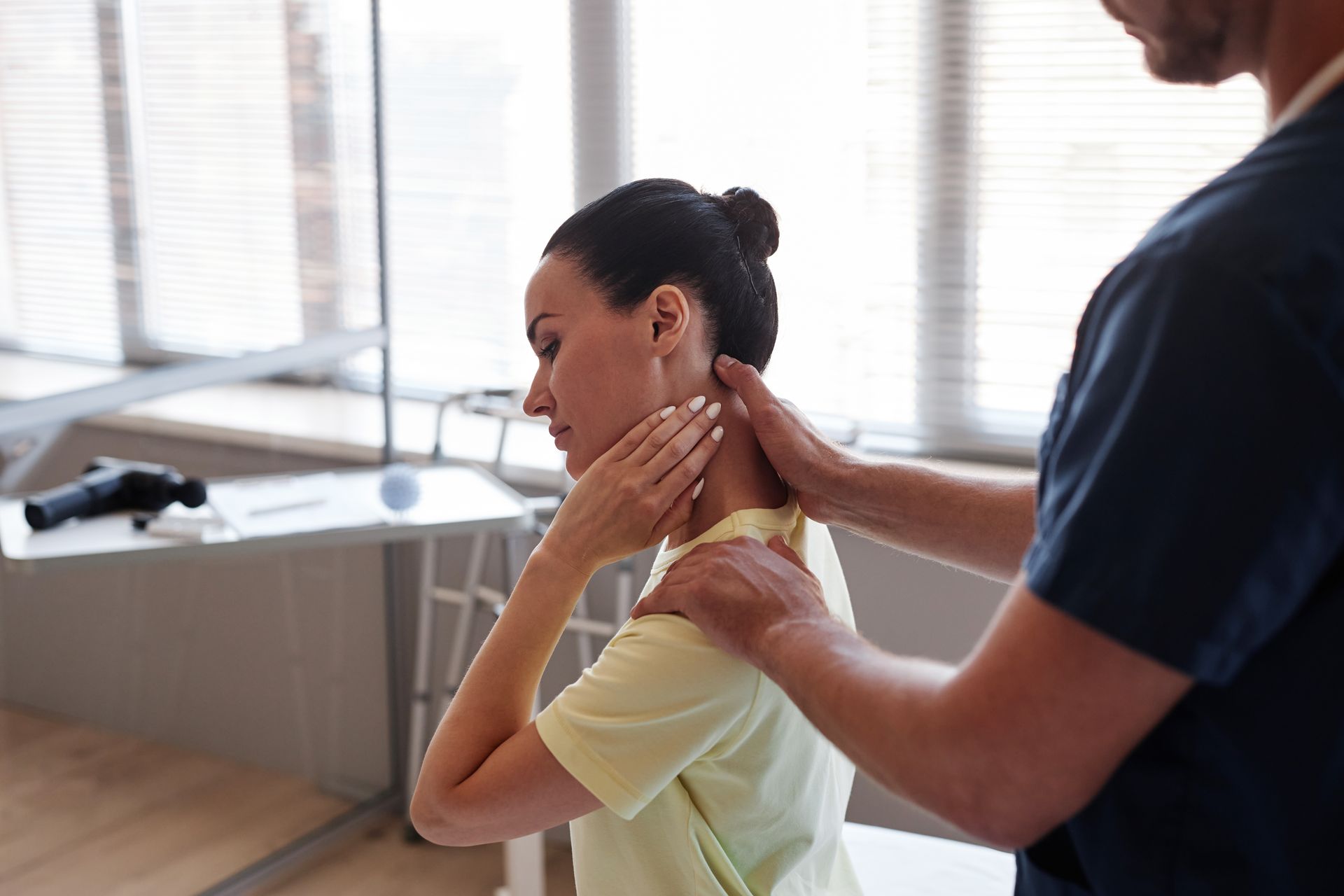
Spinal stiffness, muscle spasms, and facet joint irritation often respond well to joint mobilization and soft tissue techniques, helping restore comfortable movement of the spine.
Shoulder Conditions
Frozen shoulder, rotator cuff injuries, and shoulder impingement frequently involve restricted joint motion. Manual therapy helps restore the glide needed for overhead reaching and lifting.
Hip and Knee Stiffness
Arthritis, post-surgical stiffness after joint replacement, and limited hip mobility benefit from targeted mobilization combined with strengthening.
Headaches and Jaw Pain
Tension-type headaches and certain jaw problems are often linked to neck stiffness and muscle tightness that manual therapy can address.
Sports and Overuse Injuries
Tendonitis, muscle strains, and ankle sprains often leave behind tissue restrictions and stiffness. Hands-on therapy supports a faster, more complete return to activity.
What to Expect During a Manual Therapy Session
Your first visit begins with a thorough evaluation of your posture, joint mobility, muscle flexibility, strength, and the movements that provoke your symptoms. Your physical therapist will explain what they find and which manual therapy techniques best fit your needs.
Communication Throughout Treatment
Manual therapy should feel firm and purposeful but never harmful. Your therapist will check in often and adjust pressure and intensity based on your feedback.
Combining Hands-On and Active Care
Most sessions blend manual therapy with therapeutic exercise and movement training. This combination is what turns short-term relief into lasting improvements in mobility and strength.
Ongoing Progress Tracking
Your range of motion, pain levels, and function are reassessed regularly so your manual therapy plan evolves as you improve.
Book Your Manual Therapy Appointment in Jefferson, OH With Jefferson Rehabilitation And Wellness
Frequently Asked Questions About Manual Therapy in Jefferson, OH
What is manual therapy?
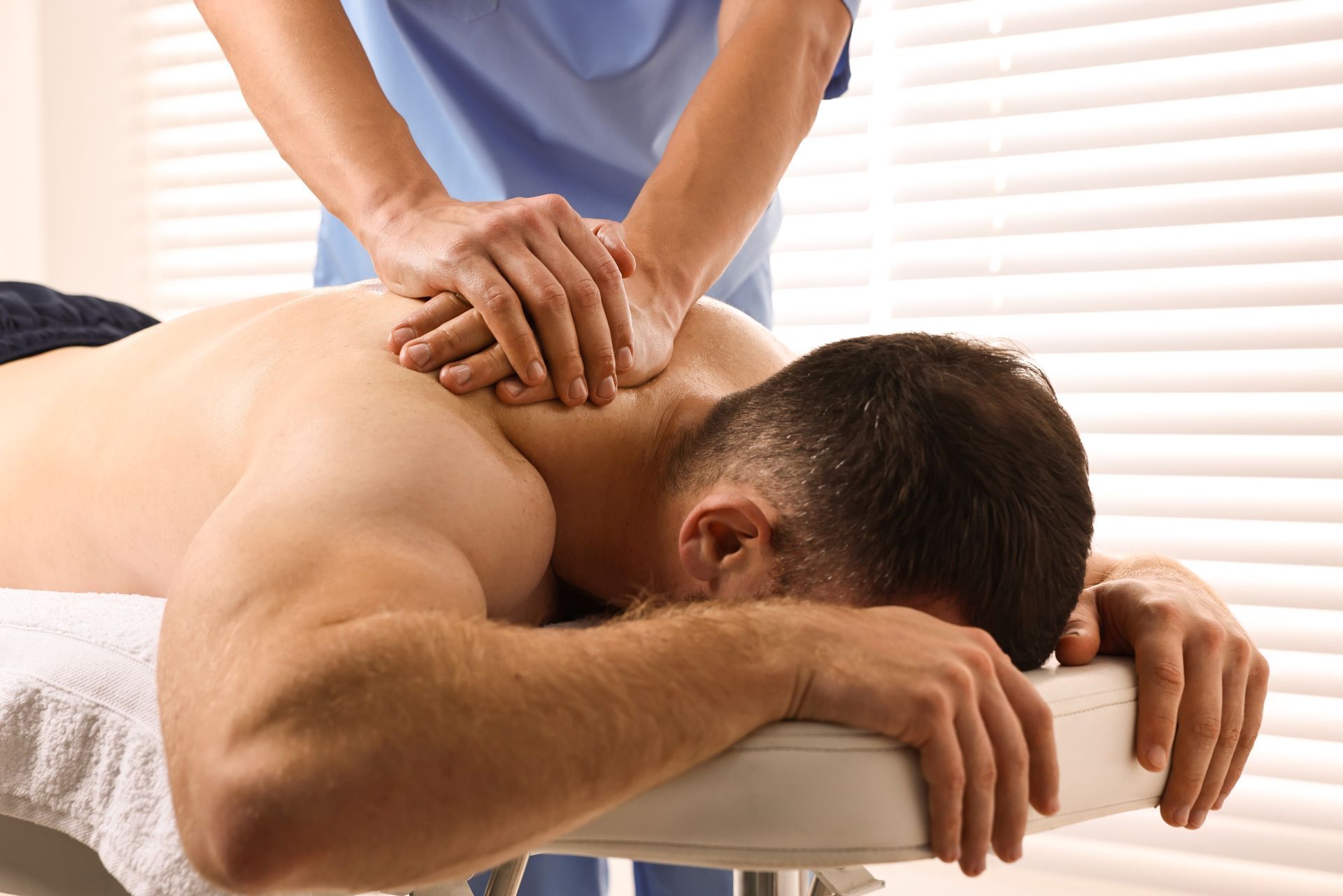
Manual therapy is a hands-on treatment approach in which a trained physical therapist uses skilled techniques such as joint mobilization, soft tissue mobilization, muscle energy techniques, and trigger point release to reduce pain, improve range of motion, and restore normal movement.
What does manual therapy treat?
Manual therapy treats back and neck pain, shoulder stiffness, frozen shoulder, hip and knee arthritis, post-surgical stiffness, tension headaches, jaw pain, muscle strains, tendonitis, and other conditions involving restricted joints or tight soft tissue.
Is manual therapy good for pain?
Yes, manual therapy can be effective for reducing pain, especially musculoskeletal pain linked to stiffness and muscle tension. It works best when combined with therapeutic exercise, which helps maintain the improvements in mobility and reduces the chance of pain returning.
What is the difference between manual therapy and physical therapy?
Physical therapy is the broader field of rehabilitation that includes exercise, education, movement training, and other treatments. Manual therapy is one component of physical therapy that focuses specifically on hands-on techniques applied to joints and soft tissues.
What is joint mobilization?
Joint mobilization is a manual therapy technique in which a physical therapist applies slow, controlled movements to a joint to reduce pain and improve range of motion. The intensity is graded based on whether the goal is pain relief or restoring stiff joint motion.
What are muscle energy techniques?
Muscle energy techniques are a form of manual therapy in which you gently contract a muscle against light resistance from your therapist. This helps relax tight muscles, improve joint position, and increase mobility without aggressive stretching.
Does manual therapy hurt?
Manual therapy may cause mild, temporary discomfort when working on stiff joints or tender areas, but it should never be sharply painful. Your physical therapist adjusts pressure and technique based on your comfort and feedback throughout each session.
How many manual therapy sessions will I need?
Many patients notice improved mobility or reduced pain within the first few sessions. The total number of manual therapy visits depends on your condition, how long you have had symptoms, and your goals, and your therapist will outline an expected timeline after your evaluation.
Is manual therapy the same as massage?
Manual therapy is not the same as massage. While both use hands-on techniques, manual therapy is based on a clinical evaluation and targets specific joint and tissue restrictions to improve function, and it is integrated into a structured rehabilitation plan.
Is manual therapy the same as chiropractic adjustment?
Manual therapy in physical therapy emphasizes graded mobilization, soft tissue work, and active techniques combined with exercise. Chiropractic care commonly focuses on high-velocity spinal adjustments. Both are hands-on, but manual physical therapy places greater emphasis on movement retraining and strengthening.
Can manual therapy help after surgery?
Yes, manual therapy is often used after joint replacement, ligament repair, and other procedures to reduce stiffness, manage scar tissue, and restore range of motion, always following your surgeon's guidelines for safe healing.
Is manual therapy covered by insurance?
Manual therapy is typically billed as part of physical therapy and is covered by many insurance plans, including Medicare, when medically necessary. Coverage details vary, so our team can help verify your benefits before you begin treatment.