Orthopedic Rehabilitation in Jefferson, OH for Joint, Bone, and Muscle Recovery
Your bones, joints, muscles, tendons, and ligaments work together every time you stand, walk, reach, or lift. When one part of that system is injured, worn down by arthritis, or repaired through surgery, everyday movement can become painful and limited. Orthopedic rehabilitation in Jefferson, OH at Jefferson Rehabilitation And Wellness focuses on restoring how this system functions. Our orthopedic physical therapy approach combines detailed assessment, hands-on care, and progressive therapeutic exercise to reduce pain, rebuild strength, and restore range of motion so you can return to the activities that matter to you.
Schedule Your Orthopedic Rehabilitation Evaluation in Jefferson, OH Today
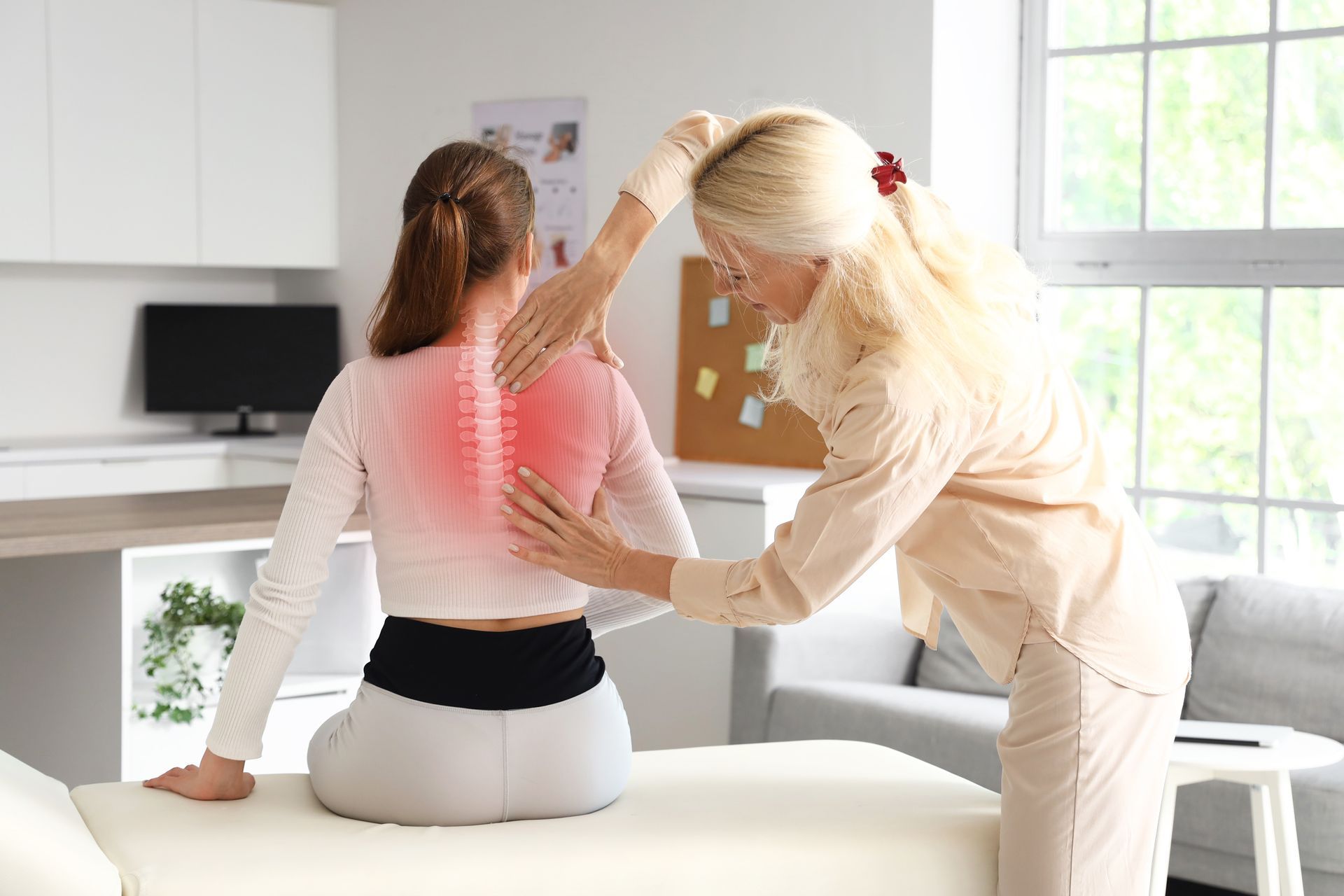
What Orthopedic Rehabilitation Is
Orthopedic rehabilitation is a branch of physical therapy that treats conditions affecting the musculoskeletal system. It addresses injuries, degenerative conditions, and post-surgical recovery involving the bones, joints, muscles, tendons, ligaments, and connective tissues.
A Focus on Musculoskeletal Function
The aim of orthopedic rehab is not just to reduce pain, but to restore how a joint or limb moves and bears load. That means improving mobility, strength, stability, and the coordination needed for daily tasks, work, and recreation.
Evaluation-Driven Care
Every orthopedic rehabilitation plan starts with a thorough evaluation of your posture, joint motion, muscle strength, flexibility, and functional movement. These findings determine which treatments are most likely to help.
Coordination With Your Medical Team
When you are recovering from surgery or have been referred by an orthopedic specialist, your physical therapist follows any surgical protocols and communicates progress so your care stays coordinated.
Conditions Orthopedic Physical Therapy Treats
Orthopedic physical therapy addresses a broad range of musculoskeletal injuries and conditions, from recent injuries to long-standing joint pain.
Arthritis and Degenerative Joint Pain
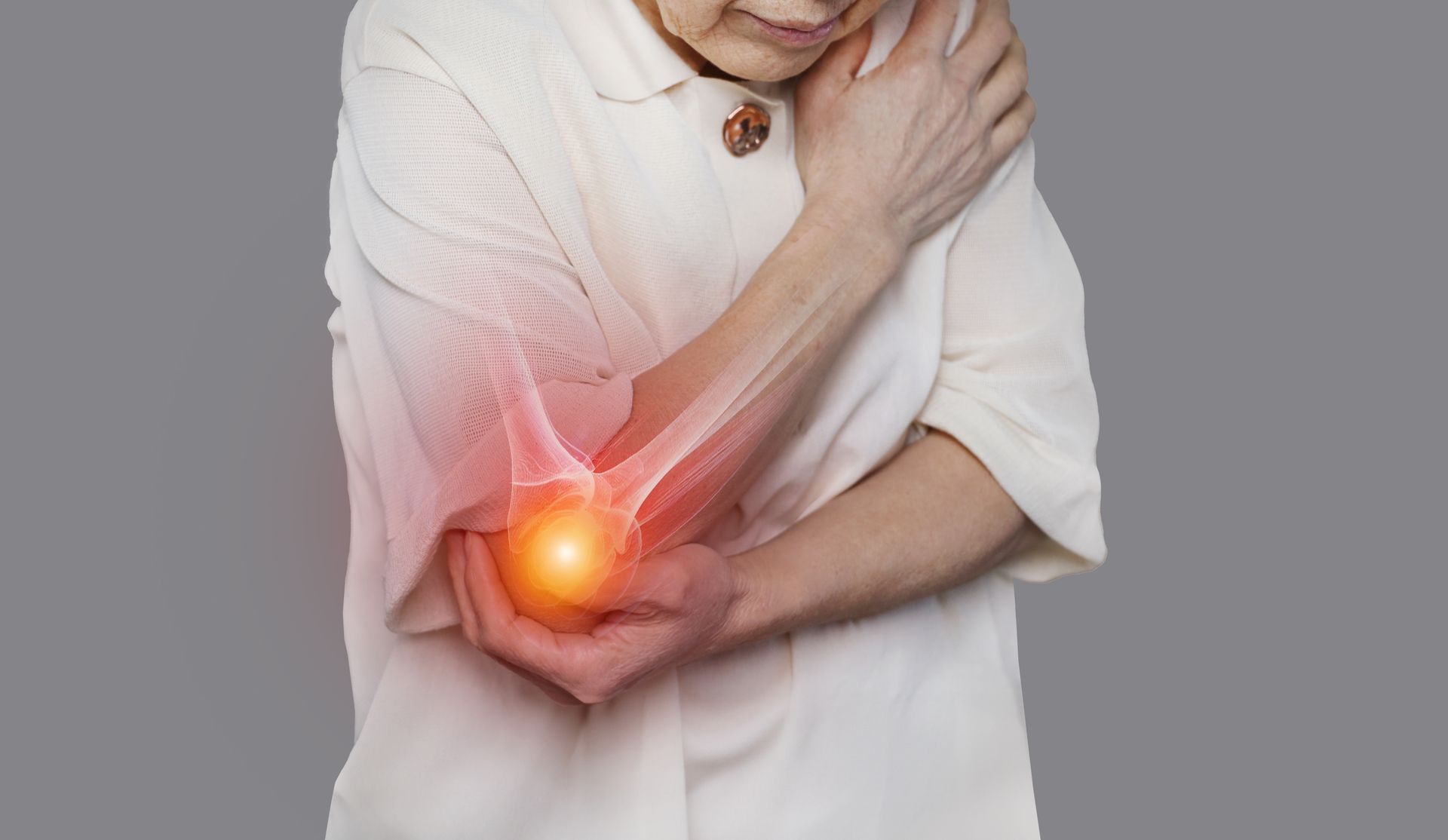
Osteoarthritis in the knees, hips, hands, shoulders, and spine can cause pain, stiffness, and reduced function. Orthopedic rehabilitation strengthens supporting muscles, improves mobility, and teaches joint-friendly ways to stay active.
Spine Conditions
Herniated or bulging discs, spinal stenosis, sciatica, and degenerative disc changes can cause back pain and nerve symptoms. Treatment focuses on mobility, core and hip strength, posture, and movement strategies that reduce stress on the spine.
Tendon and Ligament Injuries
Tendinitis, tendinopathy, ligament sprains, and partial tears respond to progressive loading that helps tissues adapt and regain strength.
Fractures
After a fracture has healed enough to begin movement, rehabilitation restores range of motion, strength, and function that are often lost during immobilization in a cast or brace.
Shoulder, Hip, and Knee Conditions
Rotator cuff problems, frozen shoulder, hip bursitis, labral injuries, patellofemoral pain, and meniscus injuries are among the common joint conditions treated with orthopedic rehab.
Hand, Wrist, and Foot Conditions
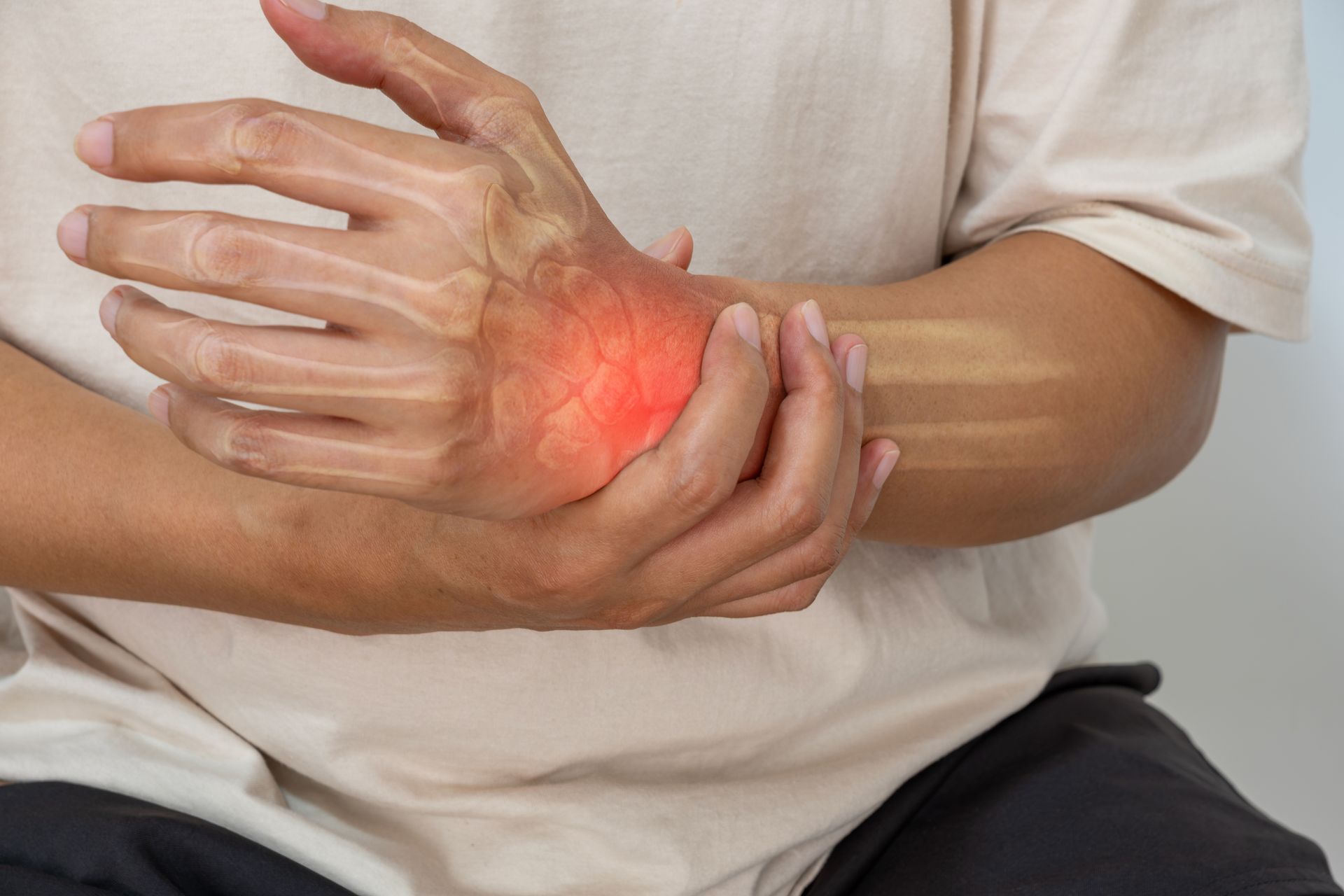
Carpal tunnel symptoms, wrist sprains, plantar fasciitis, and Achilles tendon pain can significantly affect daily activities and often improve with targeted rehabilitation.
Call Jefferson Rehabilitation And Wellness to Start Orthopedic Rehabilitation in Jefferson, OH
Post-Surgical Orthopedic Rehabilitation
Physical therapy is a key part of recovery after most orthopedic surgeries. Surgery repairs or replaces damaged structures, while rehabilitation restores the movement, strength, and confidence needed to use them.
Total Joint Replacement
After a total knee or hip replacement, orthopedic rehabilitation focuses on restoring range of motion, rebuilding leg strength, improving walking, and returning to stairs, driving, and daily activities.
Rotator Cuff and Shoulder Surgery
Shoulder surgery recovery typically follows a carefully staged protocol that protects the repair early on, then gradually restores motion and strength.
Knee Ligament and Meniscus Surgery
ACL reconstruction and meniscus repair require structured rehabilitation that progresses from early motion and swelling control to strength, balance, and functional training.
Spine Surgery
After procedures such as discectomy or fusion, rehabilitation helps restore safe movement, core stability, and endurance while respecting surgical precautions.
Prehabilitation Before Surgery
Building strength and mobility before a planned procedure, known as prehabilitation, may help some patients prepare for surgery and recovery. Your surgeon and physical therapist can discuss whether prehab is appropriate for you.
How Orthopedic Rehabilitation Works
Orthopedic rehab combines several evidence-based approaches, selected and progressed based on your condition and response to treatment.
Therapeutic Exercise
Targeted exercises rebuild strength, flexibility, and endurance in the injured area and the muscles that support it. Exercise is progressed gradually to match your healing.
Manual Therapy
Hands-on techniques such as joint mobilization and soft tissue work help reduce stiffness, improve range of motion, and ease pain.
Functional Training
Practice of real-world movements, including walking, stair climbing, lifting, squatting, and reaching, helps translate gains in the clinic into everyday life.
Education and Home Programs
Understanding your condition, activity modifications, and a consistent home exercise program are essential for lasting results.
Book Your Orthopedic Rehabilitation Appointment in Jefferson, OH With Jefferson Rehabilitation And Wellness
Frequently Asked Questions About Orthopedic Rehabilitation in Jefferson, OH
What is orthopedic rehabilitation?
Orthopedic rehabilitation is a specialized area of physical therapy that treats injuries and conditions of the musculoskeletal system, including bones, joints, muscles, tendons, and ligaments. It focuses on reducing pain and restoring mobility, strength, and function after injury, degeneration, or surgery.
What conditions does orthopedic physical therapy treat?
Orthopedic physical therapy treats arthritis, back and neck pain, disc problems, sciatica, tendinitis, ligament sprains, fractures, rotator cuff injuries, frozen shoulder, hip and knee pain, plantar fasciitis, and recovery after orthopedic surgery.
Can physical therapy help after orthopedic surgery?
Yes, physical therapy is a central part of recovery after most orthopedic surgeries. It helps restore range of motion, rebuild strength, reduce swelling and stiffness, and safely return you to daily activities while following your surgeon's protocol.
How soon after surgery should I start orthopedic rehab?
Timing depends on the procedure and your surgeon's instructions. Many patients begin within days of joint replacement surgery, while others start after a period of protection. Your surgeon will specify when rehabilitation should begin.
How long does orthopedic rehabilitation take?
Orthopedic rehabilitation may last a few weeks for minor injuries and several months for major surgeries such as joint replacement or ligament reconstruction. Your physical therapist will estimate a timeline after your evaluation and update it as you progress.
Can orthopedic physical therapy help me avoid surgery?
For many conditions, including some forms of back pain, rotator cuff problems, and knee arthritis, orthopedic physical therapy can reduce symptoms and improve function enough that surgery is not needed. Your physician can help determine whether conservative care is appropriate.
What is the difference between orthopedic rehabilitation and sports rehabilitation?
Orthopedic rehabilitation addresses musculoskeletal conditions for people of all activity levels, including arthritis, post-surgical recovery, and everyday injuries. Sports rehabilitation is a specialized extension that adds sport-specific training and return-to-sport testing for athletes.
Does orthopedic physical therapy help with arthritis?
Yes, orthopedic physical therapy is a recommended treatment for osteoarthritis. Strengthening, mobility exercises, and activity guidance can reduce pain and improve function, though arthritis itself is not reversed.
What should I bring to my first orthopedic rehab appointment?
Bring your insurance card, photo ID, a list of medications, any surgical or physician paperwork, and comfortable clothing that allows access to the area being treated.
Will orthopedic rehabilitation be painful?
Some exercises may feel challenging, and mild soreness is common, especially after surgery. Orthopedic rehabilitation should not cause sharp or worsening pain, and your therapist adjusts treatment based on your feedback.
Do I need a referral for orthopedic physical therapy in Ohio?
Ohio allows direct access to physical therapy, so a referral is generally not required to be seen. Some insurance plans, Medicare, and post-surgical cases may require a referral or prescription, so confirm with your insurer.
Is orthopedic rehabilitation covered by insurance?
Orthopedic rehabilitation is typically covered by most insurance plans, including Medicare, when medically necessary. Copays and visit limits vary, so our team can help verify your benefits before treatment begins.