Integrative Dry Needling in Jefferson, OH for Nerve-Based Pain Relief
Pain that lingers for weeks or months is often about more than one tight muscle. The nervous system plays a major role in how pain is produced, how muscles tense and protect, and how the body heals. Integrative dry needling in Jefferson, OH at Jefferson Rehabilitation And Wellness takes this into account. Rather than focusing only on trigger points, this approach uses neurological principles and peripheral nerve mapping to treat both the painful area and the nervous system that influences it. Delivered by a trained physical therapist as part of your rehabilitation plan, integrative dry needling may help reduce pain, release muscle tension, and make movement and exercise more comfortable.
Schedule Your Integrative Dry Needling Evaluation in Jefferson, OH Today
What Integrative Dry Needling Is
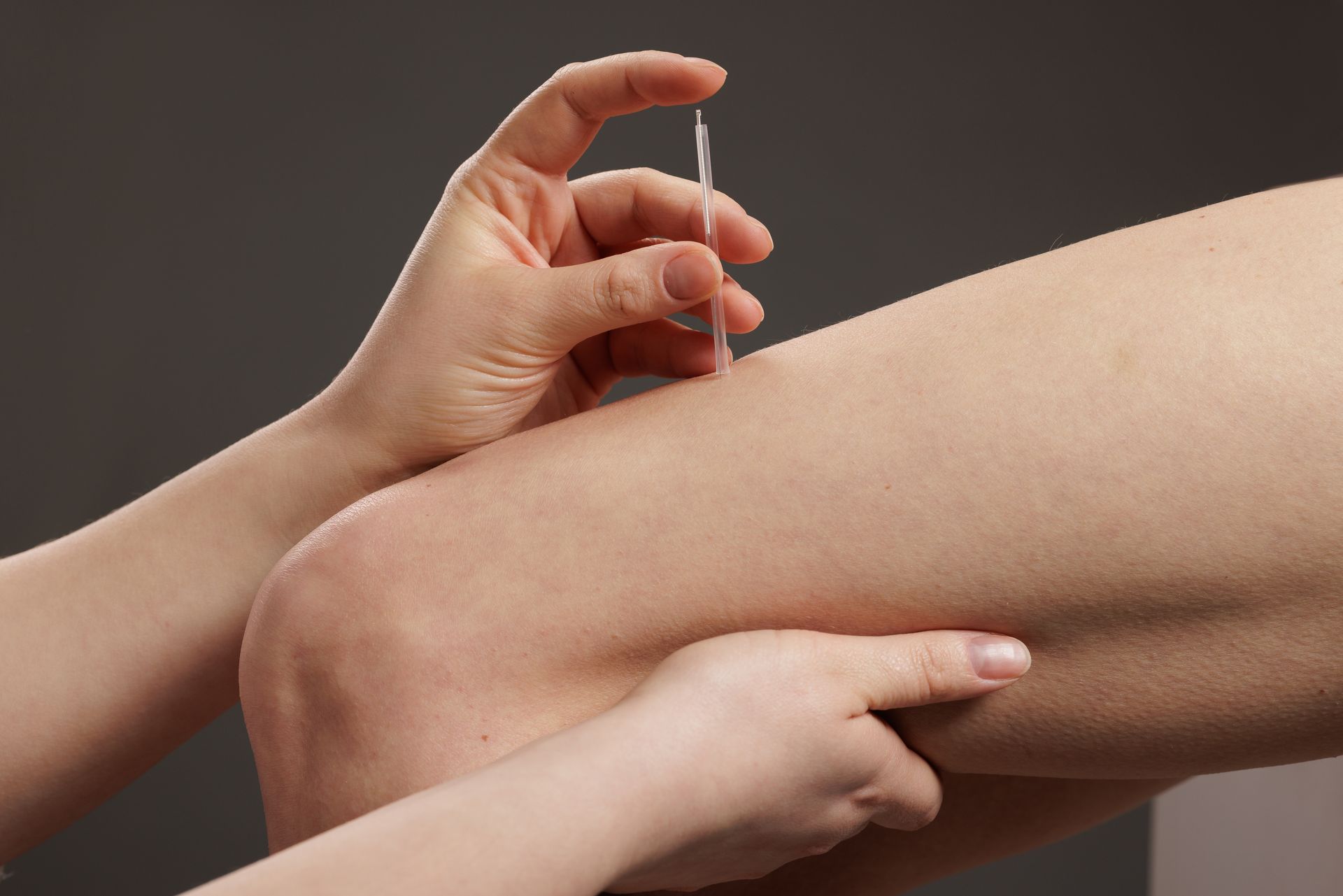
Dry needling is a treatment in which a thin, sterile, solid filament needle is inserted into specific points in the body. It is called dry needling because nothing is injected. Integrative dry needling is a specific, systematic approach to this technique that is grounded in neuroanatomy and modern pain science.
A Neurological Approach
Traditional trigger point dry needling targets taut bands and knots within a muscle. Integrative dry needling expands on that idea by targeting points where peripheral nerves are accessible, such as where nerves pass through muscle or emerge through fascia. These neuroanatomical points are selected because of their influence on muscle tone, circulation, and pain signaling.
Peripheral Nerve Mapping
Peripheral nerve mapping allows your physical therapist to identify which nerves supply the painful region and where those nerves can be most effectively accessed. This helps guide needle placement with greater precision and a clearer clinical rationale.
Treating the Local Area and the Whole System
Integrative dry needling typically addresses two levels at once. Local points target the specific area of pain or dysfunction, while systemic points are used to help calm the overall nervous system and support the body's general healing response. This combination reflects the understanding that chronic pain often involves changes throughout the nervous system, not just at the injury site.
How Integrative Dry Needling Works
When a fine needle stimulates nerve-rich tissue, it can trigger a range of physiological responses. Research on dry needling suggests these responses may influence muscle tension, local blood flow, and pain processing.
Releasing Muscle Tension
Needling a tight or overactive muscle can produce a brief twitch or release, which is often followed by reduced muscle tone and improved flexibility in that area.
Supporting Circulation and Tissue Healing
The small, controlled stimulus from the needle may encourage local circulation and a mild healing response in the treated tissue.
Modulating Pain Signals
By stimulating peripheral nerves, integrative dry needling is used to influence how pain signals are transmitted and interpreted by the nervous system, which may reduce pain sensitivity.
Restoring Movement
As pain and muscle guarding decrease, many patients find it easier to move. Your physical therapist uses that improved mobility to reinforce better movement patterns through exercise and manual therapy.
Call Jefferson Rehabilitation And Wellness to Learn More About Integrative Dry Needling in Jefferson, OH
Conditions Integrative Dry Needling May Help
Physical therapy dry needling is commonly used for musculoskeletal and nerve-related pain. Your physical therapist will evaluate your condition to determine whether dry needling is appropriate and how it fits into your care.
Back and Neck Pain
Muscle spasm, stiffness, and nerve sensitivity in the spine are frequent reasons patients explore dry needling as part of their treatment.
Headaches
Tension-type headaches and headaches linked to neck dysfunction may respond to needling of the neck and upper shoulder muscles.
Shoulder, Hip, and Knee Pain
Rotator cuff irritation, hip pain, and knee pain often involve overactive muscles and protective tension that dry needling can target.
Sports and Overuse Injuries
Muscle strains, tendon irritation, and repetitive strain injuries may benefit from dry needling alongside progressive strengthening.
Chronic and Persistent Pain
Because integrative dry needling addresses the nervous system broadly, it is often used for pain that has persisted beyond the expected healing time.
What to Expect During an Integrative Dry Needling Session
Before any needling begins, your physical therapist completes a thorough evaluation, reviews your health history, and screens for factors that may affect safety, such as bleeding disorders, blood-thinning medications, pregnancy, needle sensitivity, or recent surgery in the area.
The Treatment Process
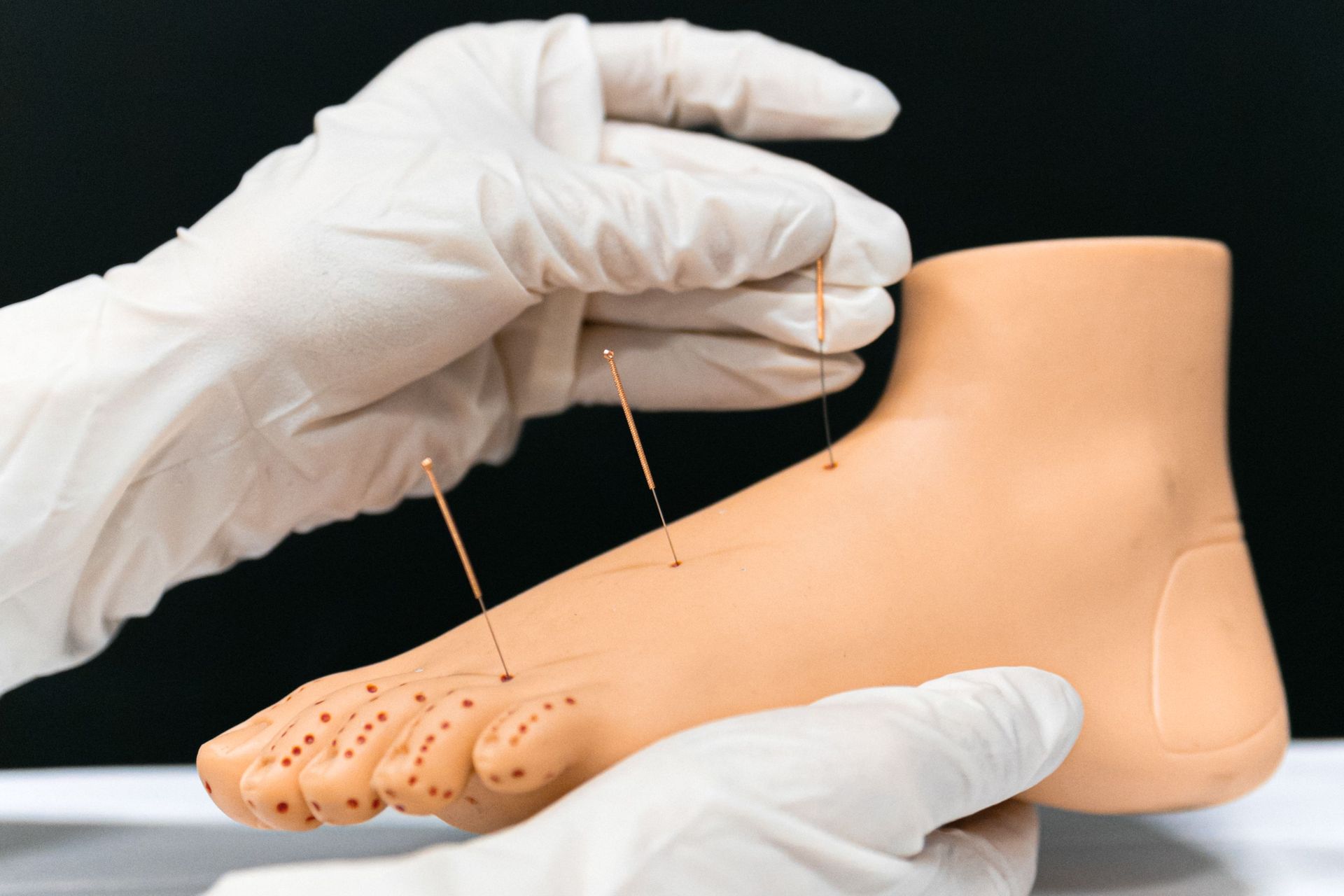
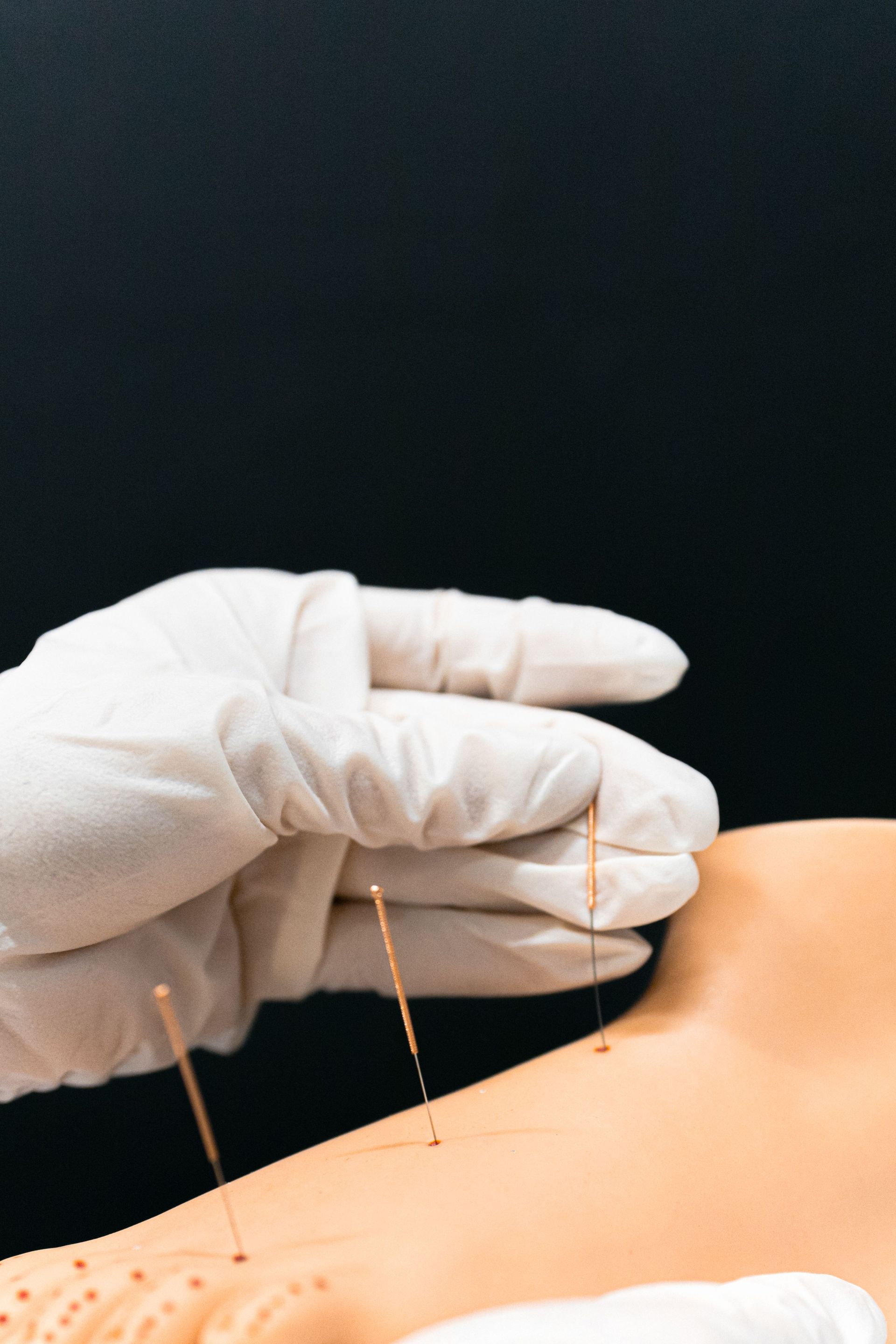
You will be positioned comfortably, the skin will be cleaned, and sterile single-use needles will be placed at selected points. Needles may remain in place for several minutes or be removed shortly after insertion, depending on the goal of treatment.
How It Feels
Most people feel little when the needle is inserted. You may notice a dull ache, a sense of pressure, or a brief muscle twitch when a tight muscle responds. Your therapist checks in throughout the session and adjusts based on your comfort.
After Your Session
Mild soreness, similar to post-exercise soreness, is common for a day or two. Minor bruising can occur. Staying hydrated and keeping up with your home exercises helps support your progress.
Part of a Complete Plan
Integrative dry needling is most effective as one component of physical therapy, combined with therapeutic exercise, manual therapy, and movement training. Responses vary from person to person, and results are not guaranteed.
Book Your Integrative Dry Needling Appointment in Jefferson, OH With Jefferson Rehabilitation And Wellness
Frequently Asked Questions About Integrative Dry Needling in Jefferson, OH
What is integrative dry needling?
Integrative dry needling is a systematic dry needling approach based on neuroanatomy and neurological principles. It uses thin, solid needles at points mapped to peripheral nerves to treat both the local area of pain and the broader nervous system, with the goal of reducing pain and improving movement.
How is dry needling different from acupuncture?
Dry needling and acupuncture both use thin filament needles, but they are based on different frameworks. Acupuncture is rooted in traditional Chinese medicine and concepts such as meridians and energy flow. Dry needling is based on Western anatomy, neuroscience, and musculoskeletal assessment, and it is performed as part of a physical therapy treatment plan.
What does dry needling treat?
Dry needling is commonly used for back and neck pain, tension headaches, shoulder pain, hip and knee pain, muscle strains, tendon irritation, overuse injuries, and chronic musculoskeletal pain. Your physical therapist determines whether it is appropriate for your condition.
Does dry needling hurt?
Dry needling is usually well tolerated. Needle insertion often feels like a small pinch or nothing at all. You may feel a dull ache or a brief muscle twitch during treatment, and mild soreness for a day or two afterward is common.
Who is a candidate for dry needling?
Good candidates are generally people with musculoskeletal pain, muscle tension, or nerve-related pain who are participating in a physical therapy program. Dry needling may not be appropriate for people with a significant fear of needles, certain bleeding disorders, some medications, pregnancy, or skin problems in the treatment area.
What is neurological dry needling?
Neurological dry needling is a dry needling approach that targets points related to peripheral nerves rather than only muscle trigger points. It aims to influence muscle tone, circulation, and pain processing through the nervous system.
What is peripheral nerve mapping?
Peripheral nerve mapping is the process of identifying which nerves supply a painful area and where they can be accessed safely and effectively. It guides needle placement in integrative dry needling.
Can physical therapists perform dry needling in Ohio?
In Ohio, physical therapists who have completed appropriate training in dry needling may perform it as part of physical therapy care. Your therapist can explain their training and how dry needling fits into your treatment plan.
How many dry needling sessions will I need?
Some patients notice changes after one or two sessions, while others need several visits as part of a longer plan. The number of sessions depends on your condition, how long you have had symptoms, and how your body responds.
Is dry needling safe?
Dry needling is considered safe when performed by a trained clinician using sterile, single-use needles and proper screening. Common side effects include temporary soreness and minor bruising. Serious complications are rare, and your therapist takes precautions to minimize risk.
What should I do after dry needling?
After dry needling, stay hydrated, keep moving gently, and follow your home exercise program. Applying heat may help with soreness. Let your therapist know how you felt after treatment so your plan can be adjusted.
Is dry needling covered by insurance?
Insurance coverage for dry needling varies, and many plans do not cover it. Our team can explain your coverage and any out-of-pocket costs before you begin treatment.